Tree Service & Removal Cost Guide for Deltona and DeLand, FL: What You Need to Know
Tree Service & Removal Cost Guide for Deltona and DeLand, FL: What You Need to Know
By Tony Juraska Jr, Volusia Bobcat & Tree Service
When it comes to managing your property’s greenery, understanding tree service and removal costs is essential for homeowners in Deltona and DeLand. This guide provides valuable insights into pricing structures, cost factors, and tips for selecting a reliable service provider. Tree services, encompassing everything from routine maintenance to emergency removals, can greatly impact the safety and aesthetics of your property. Knowing the typical costs and factors influencing these prices can help you make informed decisions and avoid unexpected expenses.
In this comprehensive article, we will cover various aspects, including pricing structures, specific local factors influencing costs, and tips for finding trustworthy tree service providers. Additionally, we’ll delve into when professional tree removal is not just needed but urgent, making it easier for you to understand your options. The emphasis will be on ensuring you receive quality service while being fully aware of the potential costs involved, including critical elements like tree size, condition, and location.
Pricing Structures
Understanding the pricing structures for tree services helps homeowners budget effectively. Various factors affect cost estimates, including the type of service required, the size of the tree, and any special conditions related to the location. Generally, here’s what you can expect:
- Emergency Tree Removal: Costs can range between $300 to $3,000+, depending on the urgency and complexity of the removal.
- Small Trees (under 30 feet): Average pricing typically falls between $200 and $500.
- Medium Trees (30-60 feet): Costs range from $300 to $1,000.
- Large Trees (60+ feet): Expect to pay $1,000 or more for removal services.
Keep in mind that these estimates can fluctuate based on additional factors, making it essential to obtain a personalized quote from a trusted service provider.
Factors Affecting Costs
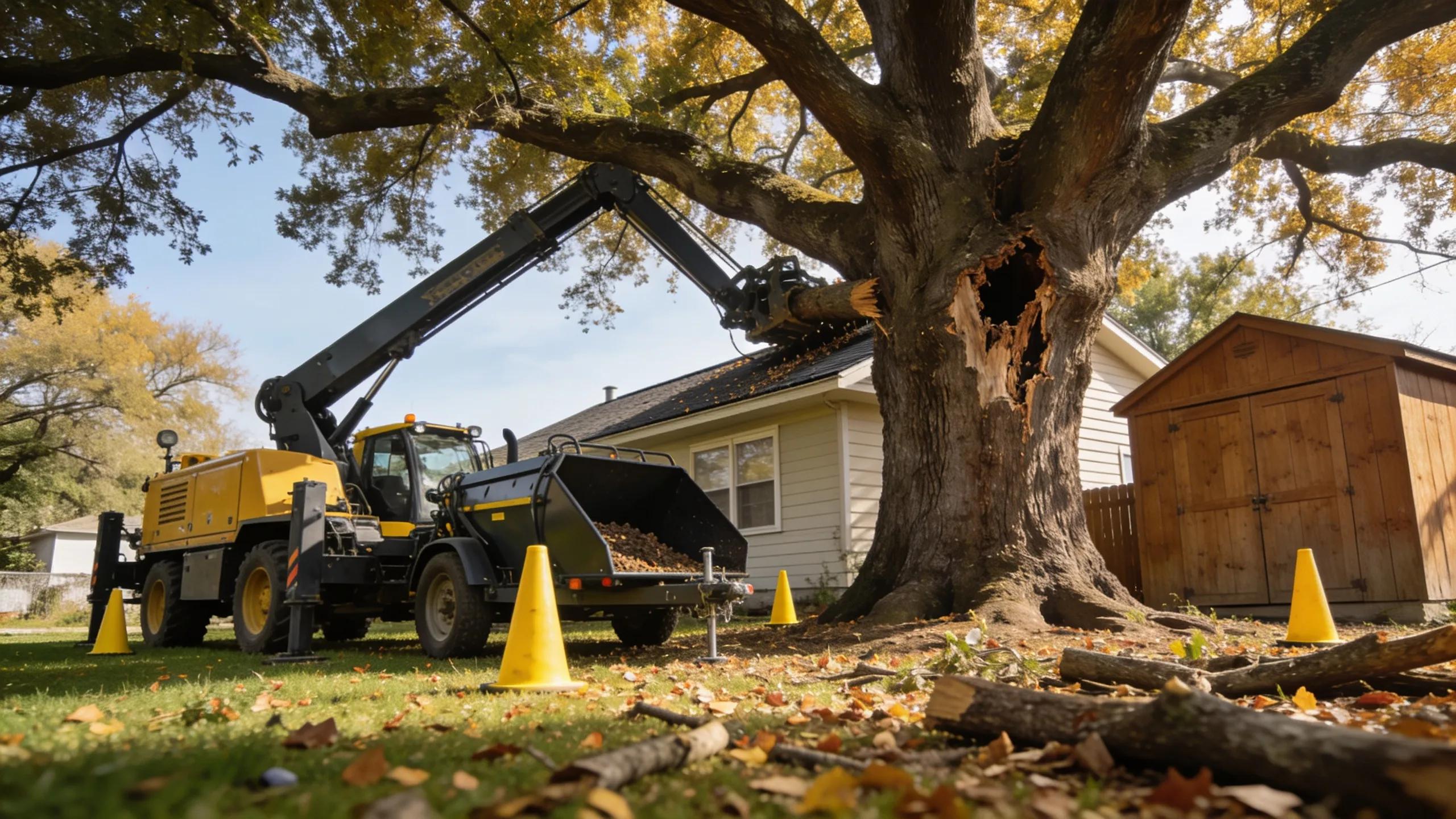
The costs associated with tree services can vary significantly based on several influencing factors. Understanding these can help you gauge estimates and prepare for the financial commitment involved:
- Tree Size and Health: Larger and unhealthy trees require more resources for removal, thus increasing costs.
- Accessibility: Trees in hard-to-reach areas may incur additional fees, adding 20-40% to the total cost due to the extra manpower or equipment needed.
- Time of Service: Services required after hours or on weekends may attract a premium rate, particularly for emergency needs.
These factors interplay to determine the ultimate cost of your tree service.
To better understand the risks that often drive these service costs, professionals rely on established frameworks for evaluating tree stability.
Understanding Tree Risk Assessment and Mitigation Strategies
terms associated with tree risk in the urban environment, explore options for systematic evaluation of trees, outline one commonly used system and briefly discuss risk mitigation.
Tree risk assessment, NP Matheny, 2017
Tips for Choosing a Trustworthy Tree Service Provider
Selecting a reputable tree service can save you money and ensure that the job is done correctly and safely. Here are crucial tips to consider:
- Check Credentials: Verify that the company is licensed, insured, and certified to perform tree services in your area.
- Read Reviews: Look for customer feedback on platforms like Google and Yelp to gauge service quality and reliability.
- Request Multiple Quotes: Don’t settle for the first estimate; obtain quotes from several companies to compare services and pricing.
- Inquire About Equipment and Techniques: A trustworthy service provider will discuss their methods and equipment, providing clarity on the processes involved.
By following these tips, you can choose a provider that aligns with your needs and expectations.
When Do You Need Professional Tree Removal in Volusia County?
Certain conditions necessitate professional tree removal to keep your property safe and aesthetically pleasing. Here are common scenarios requiring expert services:
- Health Indicators of Trees: Trees showing signs of disease or decay may pose hazards and necessitate removal.
- Safety Concerns: Trees leaning precariously or with roots exposed due to erosion need immediate attention to avoid potential accidents.
- Local Regulations: Be aware of local ordinances regarding tree removal, as some areas may have restrictions or require permits.
What Makes a Tree Hazardous and Requires Removal?
A tree is considered hazardous if:
- Dangerous Conditions: Trees that exhibit significant tilting or have large limbs that are dead or dying present risks.
- Damage Assessment: After storms or severe weather, any noticeable damage should be assessed promptly by professionals.
- Declining Health: If a tree has lost most of its leaves or developed a severe fungal growth, it might be time for removal.
Understanding these criteria can be vital in keeping your property safe.
How Storm Damage Impacts Tree Safety and Removal Urgency
Storm damage can exacerbate tree instability significantly. Key factors include:
- Fungal Growth Signs: Post-storm conditions can lead to fungal infections that weaken tree structures, enhancing risks of falling.
- Leaning Trees Assessment: Trees that lean due to grounding issues must be evaluated immediately for removal to prevent safety hazards.
- Prompt Response Importance: Rapid assessment and response are crucial when dealing with potentially hazardous trees following severe weather.
Addressing these issues swiftly ensures the safety of both the tree removal crew and your property.
What Factors Influence Tree Removal and Service Costs in Deltona and DeLand?
In addition to general factors affecting costs, there are specific local elements that influence tree service prices:
- Local Regulations Impact: Different municipalities may impose specific regulations and fees for tree removal services.
- Tree Species Considerations: Some species may require special handling due to their size or the way they grow.
- Time of Year Effects: Certain seasons may affect the availability and pricing of services, with off-peak times often being more economical.
By understanding these local factors, you can better prepare for the potential costs involved in tree services in your area.
How Tree Size, Location, and Condition Affect Pricing
Tree characteristics significantly determine overall service costs:
- Size Affects Equipment Needs: Larger trees often require specialized tools, increasing labor and machinery costs.
- Location’s Impact on Accessibility: Trees situated in tight spaces or hazardous environments demand more precautions and can elevate service fees.
- Condition Influences Removal Methods: Trees in poor health may require more careful extraction techniques, thus raising the cost.
Each of these elements plays a role in determining the final cost of service.
Why Emergency and Hazardous Tree Removal Costs Differ
Emergency situations typically incur higher costs due to several factors:
- Urgency Leads to Premium Costs: Most providers charge significantly more for emergency services due to the immediate response required.
- Risk Assessments Influence Pricing: Professionals may need to conduct detailed risk assessments before proceeding, which can add to overall costs.
- Required Labor Can Escalate Expenses: The need for additional crew or specialized equipment during emergencies contributes to pricing hikes.
Understanding these factors can help set expectations for emergency tree service costs.
What Does a Professional Tree Removal Process Include?
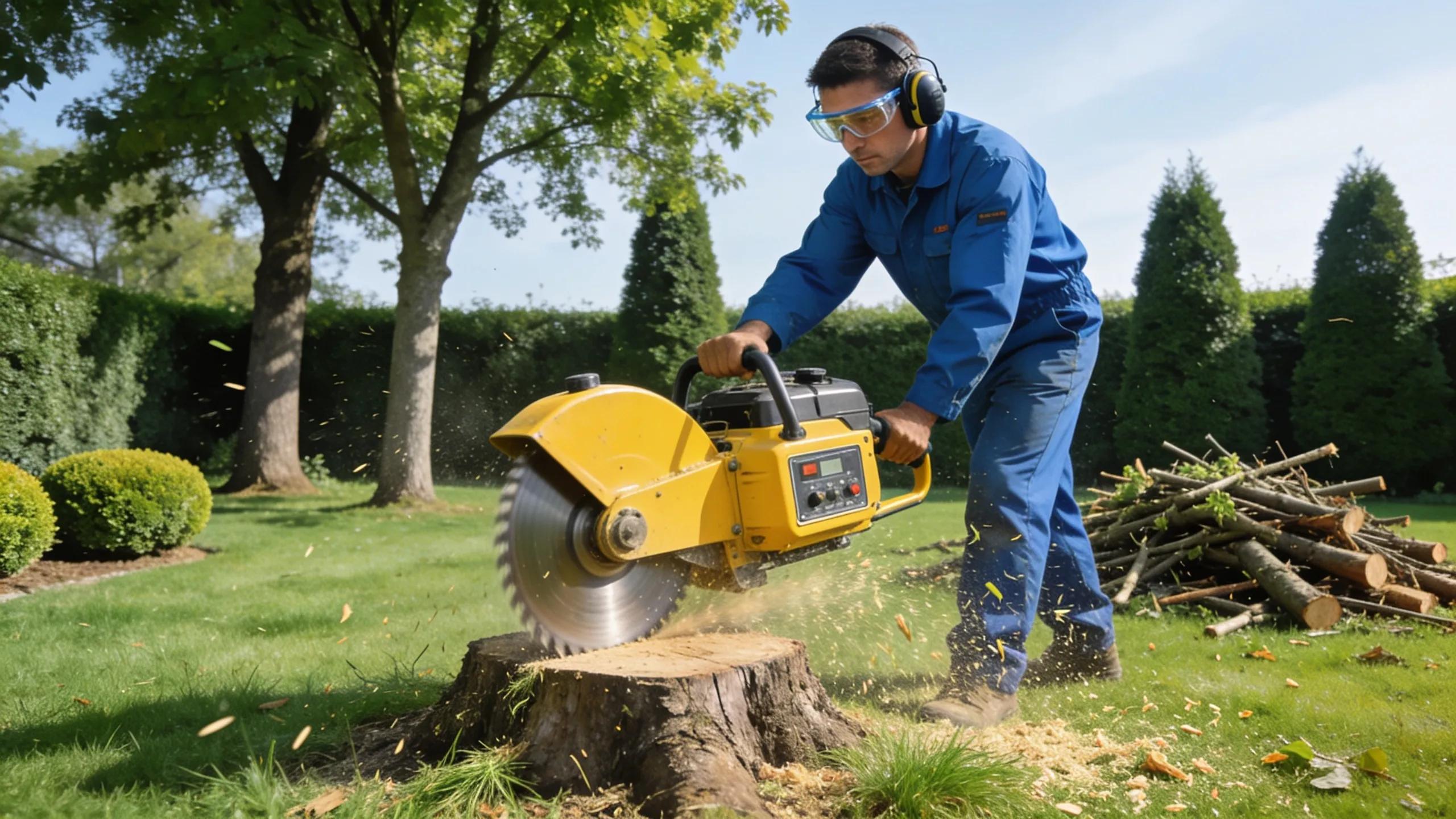
A thorough professional tree removal process ensures safety and efficiency. Key steps involved include:
- Assessment Requirements: Prior to removal, an assessment is conducted to identify potential hazards and determine the best course of action.
- Permitting Processes: Many areas require permits for tree removal, especially for larger or protected species, which must be obtained before work begins.
- Safety Protocols Followed: Established safety measures are employed to protect workers and property during the removal operation.
Discussing these elements with your chosen service provider can ensure that all necessary precautions are taken.
How We Ensure Safety and Protect Your Property During Tree Removal
Safety is paramount during tree removal. Key measures include:
- Controlled Zone Establishment: Keeping a safe distance from the work area ensures that the bystanders and pets remain unharmed.
- Use of Specialized Equipment: Utilizing the right tools and equipment minimizes risks during the removal process.
- Post-removal Site Management: After the tree is removed, site restoration procedures are followed to ensure no hazards remain.
These safety measures help maintain a secure environment for both workers and residents.
What Cleanup and Site Restoration Can You Expect After Removal?
Post-service cleaning and restoration are critical for maintaining property appearances:
- Debris Removal Components: All remnants of the tree, including branches and leaves, should be cleared from your property.
- Restoration Efforts: Soil re-leveling and seeding may be necessary to restore the area to its original condition, promoting healthy growth.
- Visual Improvements for Properties: A clean, well-restored space enhances the overall aesthetic of your home, maintaining property values.
Understanding the cleanup process helps set expectations for what happens after tree removal.
How Do Tree Trimming, Stump Grinding, and Land Clearing Add Value to Your Property?
In addition to removal services, ancillary services like tree trimming, stump grinding, and land clearing maintain a property’s health and aesthetic, thus adding value. Each service has its benefits:
- Enhancing Property Aesthetics: Regular tree trimming improves the overall visual appeal of your outdoor space.
- Safety Improvements: Removal of hazardous branches and stumps eliminates risks associated with accidents or injuries.
- Space Utilization Benefits: Effective land clearing can allow for more usable space for gardens or outdoor activities, increasing property value.
Understanding these services contributes to better property management and maintenance.
When Is Tree Trimming Recommended and How Does It Affect Tree Health?
Tree trimming is crucial for maintaining healthy growth and aesthetic appeal:
- Best Timing for Trimming: Regular trims, ideally during the late winter or early spring, promote robust growth when trees are resilient.
- Health Improvements Through Maintenance: By removing dead branches, you enhance overall tree health and promote new growth.
- Avoiding Common Trimming Mistakes: Ensuring you use proper techniques prevents damage to the tree, which can negatively impact its health.
Consider these factors when planning for tree maintenance.
What Is Stump Grinding and Why Should You Consider It?
Stump grinding is an essential recovery step post-removal:
- Cost Comparisons with Removal: Stump grinding can be considerably less expensive than complete stump removal, often recommended to pay for the more affordable option.
- Safety Hazard Mitigation: Removed stumps eliminate tripping hazards on your property, making it safer for children and guests.
- Aesthetic Benefits for Landscaping: Grinding stumps allows for a smoother landscape, making room for other plantings and improving your property’s appearance.
Choosing stump grinding ensures a more comprehensive treatment of your property post-tree removal.
What Should You Know About Emergency Tree Services in Deltona and DeLand?
Emergency tree services play a critical role in maintaining safety during crises:
- Types of Emergencies Handled: Services typically include storm damage assessments, fallen tree removal, and hazardous tree identification.
- Rapid Response Importance: Quick services can mitigate further property damage and ensure the safety of inhabitants.
- Typical Service Offerings: Many companies offer 24/7 availability to handle urgent tree issues when they arise.
Understanding the relevance of these services can significantly enhance safety and response time in emergencies.
When to Call Emergency Tree Removal After Storms or Damage
Identifying the need for emergency tree removal post-storm is vital:
- Identifying Risks from Fallen Trees: If a tree has fallen or appears unstable, it must be assessed immediately to avoid further danger.
- Importance of Professional Removal: Only trained professionals should handle potentially dangerous trees to prevent injuries and property damage.
- Assessing Damage for Safety: Engage a qualified provider to assess any storm-damaged trees to ascertain safe conditions.
Recognizing these criteria empowers you to take appropriate actions promptly.
How Our Rapid Response Protects Your Safety and Property
Emergency services are designed to swiftly address hazardous conditions:
- Importance of Quick Application of Safety Protocols: Immediate action minimizes risks and protects lives.
- Continuous Risk Assessments: Regular evaluations during removal operations ensure that unsafe conditions are identified and addressed.
- Effective Communication with Utility Companies: Coordination with local utilities can expedite repairs and restoration of services impacted by tree damage.
This vigilance during emergencies prioritizes property safety and resident well-being.
How Can You Get a Reliable Tree Service Estimate and Schedule Service?
Obtaining a precise estimate and scheduling is critical for effective service:
- Research Local Providers: Investigate local companies to find those with a strong reputation and positive testimonials.
- Gather Necessary Information: Compile details about the trees needing attention, including size, species, and any observed issues.
- Suggestions for Contact Methods: Reach out via email or phone to request a quote, providing all relevant details for accurate cost assessments.
Following these guidelines facilitates a smoother process for obtaining the services you need.
What Information Do You Need to Provide for an Accurate Cost Estimate?
To ensure an accurate estimate, supply the following details:
- Tree Type and Size Are Critical: Knowing the species and size helps in assessing challenges and necessary techniques.
- Health and Accessibility Must Be Noted: Observations regarding the tree’s health and its location’s accessibility are vital for effective quoting.
- Clarifying Specific Service Needs: Be clear about the services you are requesting, whether it’s trimming, removal, or emergency support.
Providing this information helps service providers offer accurate pricing.
How to Request Your Free Estimate and Plan Tree Service in Volusia County?
Requesting an estimate can be straightforward with these steps:
- Contact Methods Outlined: Utilize both online platforms and telephone services to reach out to providers.
- Necessary Details to Provide: Ensure you communicate all pertinent information upfront to facilitate a rapid and accurate estimate.
- Things to Consider When Scheduling: Be aware of peak seasons which may affect service availability; plan your request during off-peak times if possible.
Doing
Need help with your trees? Visit Volusia Bobcat & Tree Service or call (386) 675-7898 for a free estimate.